- by foxnews
- 28 Apr 2026
Booking.com data breach exposes traveler data to scams
Booking.com says hackers may have accessed personal data including names, emails and reservation details, raising concerns about targeted phishing attacks.
- by foxnews
- 24 Apr 2026
- in technology
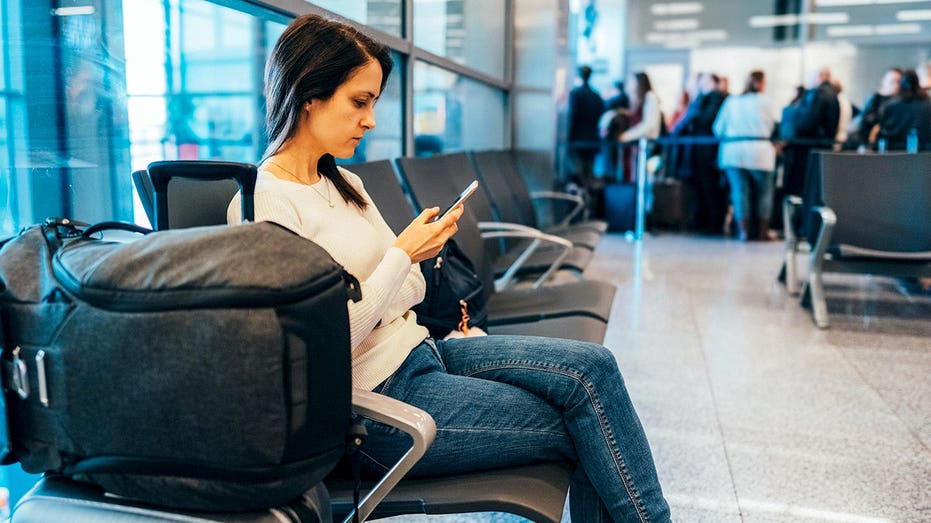
If you've booked a hotel or rental through the platform, this is worth your attention.
Sign up for my FREE CyberGuy Report
One user shared the full notification on Reddit, where dozens of others said they received the same message. That suggests this was not an isolated case. The notice warned that anything customers "may have shared with the accommodation" could also have been exposed, meaning the breach went beyond basic account data.
"At Booking.com, we are dedicated to the security and data protection of our guests," a Booking.com spokesperson said in a statement to CyberGuy. "We recently noticed some suspicious activity involving unauthorized third parties being able to access some of our guests' booking information, which may include booking details, names, email addresses and phone numbers and anything that travelers may have shared with the accommodation."
"Financial information was not accessed from Booking.com's systems, nor were guests' physical addresses," the spokesperson continued. "Upon discovering the activity, we took action to contain the issue. We have updated the PIN number for these reservations and informed our guests."
A user who posted the notification on Reddit said that two weeks before receiving it, they got a phishing message on WhatsApp that included their real booking details and personal information. That timing matters. It suggests hackers may have already been using the data before many customers were notified.
It is not clear whether that earlier phishing attempt is directly tied to this specific breach, but it shows how detailed booking information can be used in targeted scams.
That is what makes this breach more dangerous than it first appears. When scammers know where you are staying and when, they can create messages that feel legitimate. A fake alert about a problem with your reservation or a request to confirm payment details suddenly looks real.
That detail points to a broader issue. In some cases, vulnerabilities may exist not just within a platform, but across the hotels and systems connected to it. The current breach may follow a similar pattern, though the company has not confirmed how the unauthorized access occurred.
To put the scale in context, Booking.com says 6.8 billion bookings have been made through the platform since 2010. Even a small percentage of affected users represents a large number of people.
Check your email for a message from Booking.com. If you received one, take it seriously rather than filing it away. The company says it has updated PINs for affected reservations, but your account itself may still need attention.
Even though financial data was not accessed, exposed personal details can still be used in scams or identity theft attempts. An identity protection service can monitor your information, alert you to suspicious activity and provide support if your identity is compromised. See my tips and best picks on Best Identity Theft Protection at Cyberguy.com.
Be skeptical of any message that references your booking details, whether it arrives by email, text or WhatsApp. Legitimate companies rarely ask you to click a link and re-enter payment information. Hackers with your booking data can write convincing fakes that look urgent.
If you get a message about your reservation, do not click the link. Open the Booking.com app or type the website address manually. You can also contact the hotel directly using the number listed on its official website.
If you accidentally click a suspicious link, strong antivirus software can help detect malicious websites or downloads before they cause damage. Look for tools that offer real-time protection and phishing detection, not just basic virus scans. Get my picks for the best 2026 antivirus protection winners for your Windows, Mac, Android & iOS devices at Cyberguy.com.
If you receive a phishing attempt that includes your real reservation details, contact Booking.com directly and report the message to your phone carrier or email provider. Reporting helps shut down scams faster.
Data breaches at major travel platforms are uncomfortable precisely because travel feels personal. Your itinerary, your accommodation and your plans are wrapped up in those booking details, and now someone else may have a copy. The good news is that financial information and home addresses were not part of this breach. The bad news is that the stolen data is detailed enough to be weaponized in targeted phishing attacks, and there's evidence that it already has been. Booking.com updated its customers, reset PINs for affected reservations and publicly confirmed the incident. That's more transparency than many companies offer. But the fact that users were receiving phishing messages on WhatsApp two weeks before the formal notification went out is worth sitting with. You can't control whether the platform you use gets breached. You can control whether you're an easy target once your data is out there.
How much responsibility should companies like Booking.com take when your personal data fuels scams? Let us know by writing to us at Cyberguy.com.
Sign up for my FREE CyberGuy Report
you may also like

- by foxnews
- 28 Apr 2026
Fake SSA email alert: Spot this scam fast
- by foxnews
- 27 Apr 2026
You could get paid from Google's Android data lawsuit



travel
- by foxnews
- descember 09, 2016
Every stop on King Charles, Queen Camilla's US visit: Here's where they're traveling in America
In a milestone event, King Charles and Queen Camilla are set to visit the U.S. this week for a momentous, multicity trip to celebrate America's 250th anniversary.
read more